
Given the fact that depression is one of the major issues that people face today, there are multiple treatment options for patients. People suffering from major depression or treatment-resistant depression often suffer more as their condition does not improve with regular treatment options. This is why the FDA approved transcranial magnetic therapy in 2008. It is a non-invasive procedure that targets the brain through electromagnetic pulses. These pulses increase or decrease the activity in the selected part of the brain. This change in brain activity can be helpful in managing depression, PTSD, bipolar disorder, chronic pain, addiction, OCD and GAD.
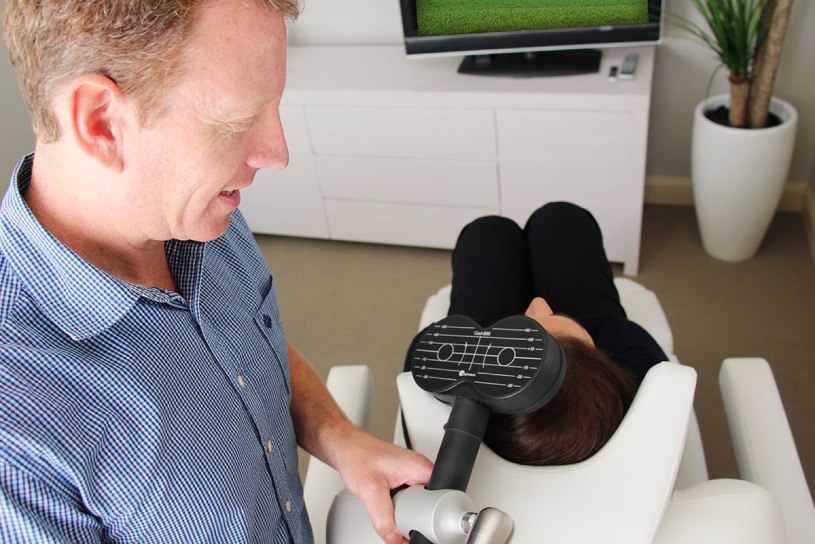
In an outpatient medical clinic, a technician administers TMS using a coil to disperse the pulses. Depending on the condition of the patient, the coil is placed on different areas so that it can target specific regions of the brain. As the magnet is at play, patients are required to remove any magnet-sensitive items like jewelry, watches, or clothing chains for safety.
The Use Of Earwear
There is nothing to be surprised about if your technician is wearing ear protection. The magnets make lots of noise and it helps them to stay in the area. The technician tries to make the patient as comfortable as possible and there is no need for anesthesia.
Measurement Of Head
TMS targets specific regions of the brain to treat the symptoms. It is necessary to decide where to place the coil in order to get the best result. As the size of the head differs from one patient to another, technicians measure the head to determine the best place for the coil. This measurement is used in all future sessions with TMS therapy Torrance to personalize the settings.
The Sensation
Once the technician has decided on the best place, he or she will place it at the proper place to start the session. The release of the pulses from the coin might feel like a tapping or knocking sensation. This sensation is quite normal and people often feel it.
Duration And Results
Usually, the TMS sessions last up to 60 minutes. First, a frequency of 5 days a week for 6 weeks is recommended. After that, the frequency of sessions is reduced as the patient effective results. The provider decides this frequency depending on your current condition and symptoms.
 Essential Health Tips