
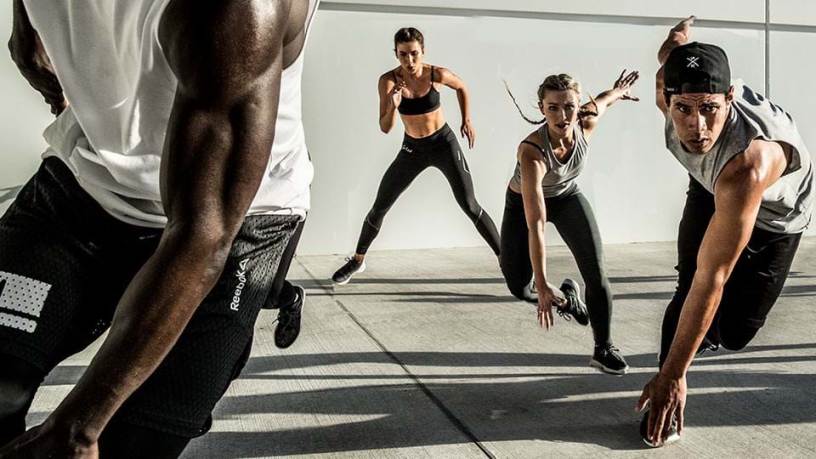
Sustainability is a growing priority in Singapore, from reducing plastic waste to choosing greener transport options. Yet, one area that often goes unnoticed is the environmental impact of fitness. Traditional gyms filled with machines and energy-intensive equipment contribute to carbon emissions more than many realise. This has sparked interest in eco-conscious workout alternatives that minimise resource use while maximising health benefits. Among these, fitness hiit training stands out as one of the most sustainable fitness practices available today.
The Carbon Footprint of Conventional Fitness
Large gyms and training facilities rely on electricity to power treadmills, stationary bikes, lighting, and air-conditioning. These contribute to high energy consumption, especially in Singapore’s humid climate where cooling systems run continuously. Beyond electricity, the manufacturing and transport of bulky exercise machines also leave a sizeable carbon footprint. Even seemingly harmless habits, such as using plastic water bottles for workouts, add up when multiplied across thousands of gym-goers. With more people becoming aware of climate change, it is time to rethink the way we approach fitness.
Why HIIT is Naturally Sustainable
Fitness HIIT training requires minimal equipment and thrives on bodyweight exercises like burpees, push-ups, and squat jumps. A session can be completed without plugging in a single machine, instantly cutting down energy use. Even when equipment is included, such as kettlebells or resistance bands, the carbon impact is far lower than heavy machines. HIIT’s short duration also reduces the need for air-conditioning and lighting compared to long gym sessions, making it an eco-conscious choice for individuals who want fitness without unnecessary energy expenditure.
The Green Advantage of Short Workouts
HIIT is known for efficiency. A typical session lasts 20 to 30 minutes, compared to traditional workouts that often stretch over an hour. Shorter sessions mean less electricity consumed in fitness studios, less commuting time, and fewer resources used. For home workouts, the shorter duration reduces the need for fans or cooling appliances. Over time, the cumulative savings in energy make HIIT a sustainable practice that aligns with Singapore’s push toward greener living.
Reducing Reliance on Machines
Unlike machine-heavy training, HIIT promotes functional movements that mimic natural body actions. This reduces the demand for industrially manufactured equipment, which requires raw materials, factories, and transport logistics. Fewer machines also mean fewer electronic parts ending up in landfills once they wear out. For eco-conscious individuals, the simplicity of HIIT routines provides peace of mind, knowing that fitness progress does not come at the expense of the environment.
HIIT and Outdoor Training
Singapore’s parks and green connectors provide the perfect setting for eco-friendly workouts. HIIT routines can be performed outdoors without electricity or heavy gear, connecting individuals with nature while reducing carbon output. Exercising in natural environments has the added benefit of improving mental health, reducing stress, and promoting community interaction. Whether in East Coast Park or Bishan-Ang Mo Kio Park, outdoor HIIT transforms fitness into a sustainable lifestyle choice that supports both personal health and environmental wellbeing.
Travel and Commute Savings
A hidden contributor to fitness-related carbon emissions is commuting. Many people drive or take public transport to reach gyms, generating emissions in the process. With HIIT, workouts can be done at home, at the office, or in neighbourhood parks, significantly reducing the need for travel. For busy professionals, this saves time while also cutting carbon footprints. In a compact country like Singapore, encouraging more people to train close to home could make a measurable impact on emissions.
Group HIIT Classes and Shared Resources
When individuals choose group HIIT classes, resources are pooled. Instead of multiple people using different machines that consume power, participants share the same space and rely on bodyweight or light equipment. Facilities that host HIIT classes can run more efficiently with smaller carbon footprints compared to machine-heavy gyms. This collective approach not only reduces environmental impact but also builds a stronger fitness community.
The Role of Eco-Friendly Studios
Some fitness studios in Singapore are embracing sustainability by reducing air-conditioning use, introducing natural ventilation, and encouraging members to bring reusable water bottles. When paired with HIIT programmes, these measures create a powerful eco-friendly combination. Members enjoy efficient workouts while aligning with sustainable practices that reduce strain on the environment.
Encouraging Sustainable Habits Through HIIT
HIIT encourages minimalism, which often extends to other lifestyle choices. People who adopt HIIT tend to value simplicity and efficiency in other areas of life. This mindset can influence daily decisions such as choosing reusable gear, cutting down on single-use plastics, and adopting eco-friendly nutrition habits. In this way, HIIT acts as a catalyst for broader sustainability practices, making it more than just a fitness trend.
Practical Examples of Green HIIT Routines
-
Bodyweight circuits: Squats, lunges, push-ups, and planks with no equipment required.
-
Minimal gear workouts: Resistance bands, skipping ropes, or kettlebells, which are durable and environmentally friendly.
-
Outdoor sprints: Running intervals in parks without reliance on machines.
-
Stair intervals: Using public staircases for high-intensity bursts.
These options highlight that HIIT does not need a complex setup to be effective.
Why HIIT Aligns with Singapore’s Sustainability Goals
Singapore has committed to reducing carbon emissions and promoting sustainable practices across industries. Fitness is no exception. HIIT supports these goals by minimising reliance on machines, lowering electricity use, and promoting outdoor exercise. For individuals who want to align personal health goals with national sustainability objectives, HIIT offers a perfect fit.
Long-Term Environmental Benefits
If more Singaporeans adopt HIIT as TFX, their primary workout style, the environmental impact could be significant. Reduced energy use in gyms, less equipment demand, and fewer commuting trips would collectively lower emissions. Over time, this could encourage the fitness industry to adopt greener models, with studios investing more in functional training spaces instead of energy-hungry machines. This shift not only benefits the planet but also redefines how people view effective exercise.
Tips for Practising Eco-Friendly HIIT
-
Choose reusable water bottles and eco-friendly workout apparel.
-
Train outdoors whenever possible to save electricity.
-
Keep sessions short and efficient to reduce reliance on cooling systems.
-
Invest in minimal, durable equipment instead of large machines.
-
Support studios and gyms in Singapore that follow green initiatives.
FAQs on Fitness HIIT Training and Sustainability
Q. Can HIIT really make a noticeable difference to environmental sustainability?
Yes, when adopted widely, HIIT reduces reliance on machines, cuts electricity consumption, and lowers commuting emissions, making it one of the most eco-friendly workout methods.
Q. Do outdoor HIIT sessions provide the same benefits as indoor ones?
Absolutely. Outdoor sessions provide fresh air and natural resistance, delivering similar physical benefits while reducing energy consumption.
Q. Is eco-friendly fitness more expensive?
Not at all. HIIT is cost-effective because it requires little or no equipment, reducing the need for expensive machines or gym memberships.
Q. How can companies in Singapore integrate eco-friendly HIIT into wellness programmes?
Corporates can encourage lunchtime HIIT sessions in nearby parks, provide reusable workout gear, and partner with eco-conscious studios that focus on functional training.
Q. Can HIIT replace traditional gym machines for overall fitness?
Yes. HIIT improves cardiovascular health, builds strength, and enhances mobility using natural movements, eliminating the need for most traditional machines.
 Essential Health Tips